The difference between selling a generic product and selling your own brand is often smaller than buyers expect — sometimes a printed box and a woven label. The difference in what you can charge is not small at all.
Here is how own-brand manufacturing actually works in China, and where the money goes.
Private label — the factory's existing product, with your brand applied. No design work, no tooling, minimum quantities close to standard. The fastest and cheapest route, and the one most buyers should start with.
ODM (Original Design Manufacturer) — the factory has a design and modifies it for you. Different colourway, changed dimensions, a feature added or removed. Moderate minimums, moderate cost, and a product that is meaningfully yours without starting from zero.
OEM (Original Equipment Manufacturer) — the product is built to your design and specification. Full control, and you own the result. Also the highest minimums, the longest timeline, and possible tooling costs running into thousands of dollars.
Most first-time brand owners should start with private label, prove the market, then move to ODM once volume justifies it. Starting at OEM is how people spend their capital on a mould for a product nobody has yet bought.
| Model | Typical MOQ | Setup cost | Timeline |
|---|---|---|---|
| Private label | 300–1,000 pcs | Printing plates only ($50–300) | 25–40 days |
| ODM | 1,000–3,000 pcs | Modest — colour, tooling tweaks | 40–60 days |
| OEM | 3,000–10,000 pcs | Tooling $2,000–20,000+ | 60–120 days |
Tooling is the number that surprises people. An injection mould for a plastic part is a real piece of hardened steel, machined to your drawing, and it is not cheap. Establish who owns it before you pay for it — if you fund the mould, insist in writing that it is yours and can be moved.
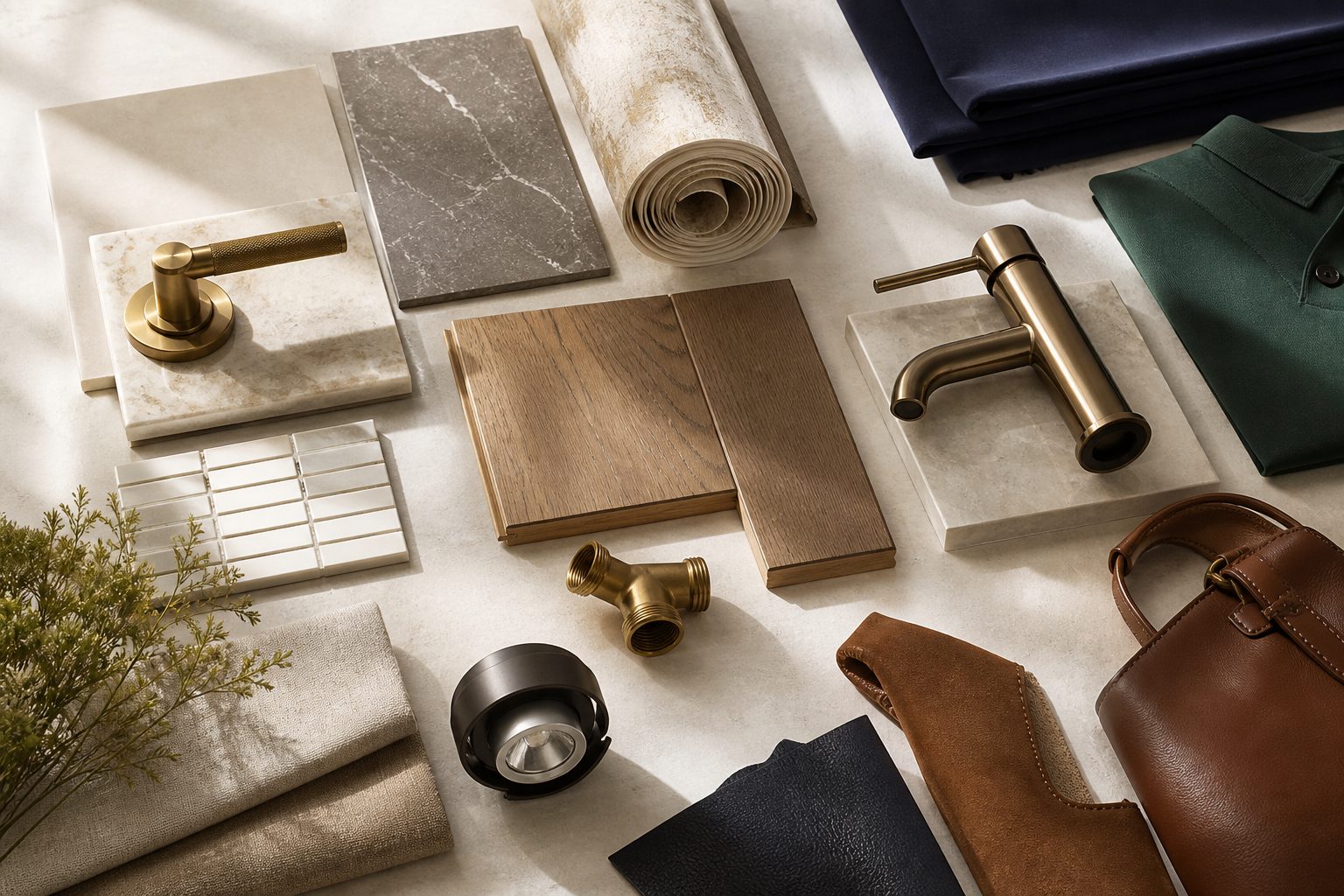
This is the part buyers underinvest in and it is where perceived value is actually created. The same product in a thin printed carton versus a rigid box with a soft-touch finish supports a materially different retail price, and the cost difference at the factory is often under a dollar.
What to specify:
Always approve a physical printed proof. Screen colour and print colour are different things, and a 5,000-unit run in the wrong shade of your brand colour is not a mistake you make twice.
Packaging gets discarded; the mark on the product persists. Options vary by material:
A moulded-in logo looks the most premium and costs the most upfront. A well-executed deboss costs almost nothing and reads as considered. A cheap pad print that rubs off in a month actively damages the brand.
Three things worth doing, none expensive:
Every step in that sequence is cheap except the last, and the last is only sensible once the first four have told you what to build.
Send a photo, a drawing, a link or a sample reference by email — you will have a considered reply, usually within one working day.